Blog
Why Does Rehabilitation Actually Matter? Understanding Sports Injury Rehabilitation
By Amanda Glover
Published
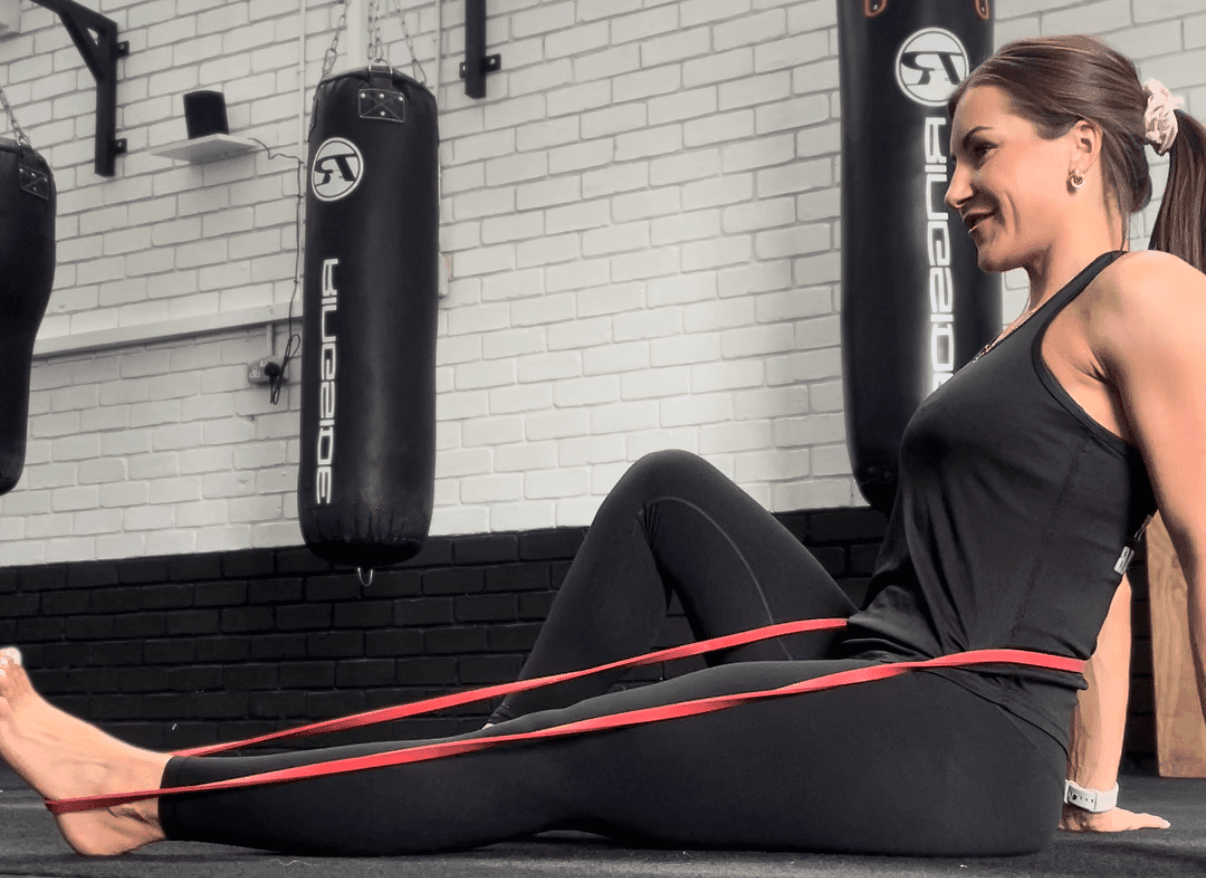
September Edition - Why Does Rehabilitation Actually Matter?
Have you ever suffered from a sporting injury?
You may have been told that you need to rehabilitate before returning to your normal activities. But what does rehabilitation actually mean, and why is it so important?
Sports injury rehabilitation is much more than simply completing a few exercises until your pain goes away. A good rehabilitation programme helps restore strength, mobility, balance, movement and confidence, while gradually preparing your body to cope with the demands of your everyday life or sport. Whether you have experienced a muscle strain, ankle sprain, tendon injury, knee pain or another musculoskeletal injury, rehabilitation can play an important role in your recovery and your safe return to activity.
What is rehabilitation?
Rehabilitation is the process of helping the body recover and restore function following an injury, pain or period of reduced activity. Sports Therapy rehabilitation involves a combination of exercise, movement, education, hands-on treatment and gradual exposure to activity. The aim isn’t simply to make your pain disappear. Instead, sports injury rehabilitation focuses on improving the things that may have been affected by your injury, such as strength, range of movement, stability, coordination and your ability to tolerate load. For example, following an ankle sprain, your rehabilitation may initially focus on reducing symptoms and restoring ankle movement. As your recovery progresses, you may introduce strengthening exercises, balance work, hopping, running and eventually sport-specific movements. This means rehabilitation is all about a progressive process, rather than a single treatment or exercise.
What causes the need for rehabilitation?
There are many reasons why someone may require rehabilitation. Some injuries happen suddenly, while others develop gradually over time.
Common injuries that may benefit from rehabilitation include:
● Muscle strains and tears
● Ligament sprains
● Tendon injuries
● Knee pain
● Ankle injuries
● Shoulder injuries
● Hip injuries
● Overuse injuries
● Fractures
● Post-surgical rehabilitation
● Recurring sports injuries
A sudden injury may occur during sport, such as twisting your ankle while playing football or pulling a hamstring while sprinting. Other injuries develop gradually due to factors such as repetitive loading, sudden increases in training volume, inadequate recovery, reduced strength or returning to exercise too quickly. This is why effective rehabilitation should look beyond the painful area and consider why the injury may have occurred in the first place.
What are the symptoms?
The symptoms associated with an injury will depend on the individual and the type of injury, but common signs that you may benefit from rehabilitation include:
● Pain during exercise or everyday movement
● Swelling or bruising
● Stiffness
● Reduced range of movement
● Muscle weakness
● Reduced balance
● Poor movement control
● Difficulty completing normal activities
● Reduced sporting performance
● Lack of confidence in the injured area
● Pain or symptoms that return when activity increases
It’s important to remember that being pain-free doesn’t always mean that an injury is fully rehabilitated. You may feel better but still have reduced strength, mobility or control. This is one reason why returning to sport too quickly can sometimes increase the risk of symptoms returning. A good rehabilitation programme considers more than pain alone. It looks at how well you can move, load and perform.
What can you do about it?
If you have an injury, one of the most important things you can do is avoid rushing your recovery. According to the World Health Organization, rehabilitation focuses on optimising function and reducing the impact of a health condition on someone’s life. In simple terms, rehabilitation is about helping you get back to doing the things that are important to you. Effective rehabilitation should generally be progressive, meaning the demands placed on your body increase gradually as your capacity improves.
1. Restore movement: Mobility exercises can help restore normal movement following an injury. This can be particularly important if pain, swelling or stiffness has affected the way you move.
2. Build strength: Strength rehabilitation helps your muscles and surrounding tissues become better able to tolerate load. Exercises may initially be simple and controlled before progressing to resistance training, heavier loads and more challenging movements.
3. Improve balance and control: Balance and proprioception exercises can help improve your body’s ability to control movement. These can be particularly useful following injuries such as knee sprains.
4. Gradually increase activity: Avoid going from complete rest straight back into full training. Gradually increasing your activity allows your body to adapt to increasing levels of load.
5. Introduce sport-specific exercises: For athletes, rehabilitation should eventually reflect the demands of their sport. This could include running, jumping, landing, changing direction, sprinting or other sport-specific movements.
6. Prioritise recovery: Sleep, nutrition, hydration and appropriate rest are all important when recovering from an injury. Your body needs adequate resources to repair and adapt to rehabilitation. The goal isn’t simply to complete your exercises. The goal is to restore your ability to do what you want to do.
When should you get professional help?
Not every minor injury requires professional treatment, but you should come and speak to us if your symptoms are severe, persistent or affecting your normal activities.
Professional advice may be appropriate if:
● Your pain is severe or worsening
● You have significant swelling or bruising
● You cannot put weight through the affected area
● You have significant weakness or loss of movement
● Your symptoms aren’t improving
● Your injury keeps returning
● You are struggling to return to sport
● You are unsure what is causing your symptoms
● You are concerned about your recovery
Following a significant injury, urgent medical assessment may be required, particularly if there is an obvious deformity, suspected fracture, major loss of sensation or circulation, or other serious symptoms.
How can AG Sports Therapy help with rehabilitation?
At AG Sports Therapy we can support your injury recovery by assessing your symptoms, identifying areas that may need addressing and creating an individual rehabilitation programme. Your initial Sports Therapy assessment will look at your movement, strength, mobility, symptoms and functional ability. This helps establish a baseline and identify appropriate goals for your recovery. Depending on your presentation, treatment techniques may also be used to help manage symptoms and improve movement. These could include sports massage, soft tissue techniques, mobilisation or other appropriate treatment methods. However, hands-on treatment is only one part of rehabilitation. Exercise rehabilitation is often an important part of the recovery process. Your Sports Therapist can prescribe exercises that are appropriate for your current stage of recovery and gradually progress them as your strength and capacity improve.
Progression could involve increasing:
● Resistance
● Repetitions
● Range of movement
● Exercise complexity
● Speed
● Impact and Power
● Sport-specific demands
For example, someone recovering from an ankle injury may progress from basic strength exercises to single-leg movements, balance exercises, hopping, running and eventually changes of direction. This helps bridge the gap between feeling better and being ready to return to sport. Rehabilitation can also help rebuild confidence. Following an injury, it’s common to feel nervous about loading the affected area or returning to the activity that caused the injury. Gradual exposure to increasingly challenging movements can help rebuild trust in your body.
Conclusion: So, why does rehabilitation actually matter?
Rehabilitation is about much more than getting rid of pain. It is the process of restoring your body’s strength, mobility, control and ability to tolerate the demands placed upon it. Whether your goal is to return to the gym, start running again, get back on the football pitch or simply move comfortably in everyday life, rehabilitation can help you work towards that goal. The right rehabilitation programme will look different for everyone. Your injury, lifestyle, sport, goals and current ability should all influence how your rehabilitation is structured. Don’t focus solely on how quickly you can return to activity. Focus on building your body back up so it is ready for the demands you want to place on it. Recovery isn’t about rushing the process. It’s about progressing at the right pace, building capacity and returning stronger and more confident!